About Oreyeon
It started on the runway.
Founded 2020
Oreyeon was founded where two disciplines rarely meet without trade-offs: advanced technology and operational aviation.
Innovation and safety standards don't compete. They reinforce each other.
That conviction drives everything we build: AI-powered tools that give airports sharper visibility of their airside, while respecting the standards that keep every flight safe.
The team behind Oreyeon
Oreyeon began with people who came from aerospace design, computer engineering and flight-line safety. They believed that AI could meet aviation’s standards, not bend them. Oreyeon went through the Hangar 51 (IAG) accelerator and won in the TASMU Accelerator’s second cohort.
Founders

CEO
Ziad Jreijiri
Holds a master's in Aerospace Vehicle Design from Cranfield University and is the winner of the Excellence in Achievement Award for Recent Aerospace Graduates.
LinkedIn: Ziad Jreijiri
CTO
Roni Demerjian
Background in Computer Engineering and AI research. Co-founded Oreyeon and has led product development from the ground up, starting as the company's only developer and growing into the leader of a team of 35+ engineers and scientists.
LinkedIn: Roni Demerjian
Advisors to the board

Stephen Rodriguez

Miguel Howe

Shrook Mansour Bin Sultan

Jorge Montes Del Pino

About Oreyeon
Oreyeon is an airside intelligence company that detects, geolocates and reports foreign object debris (FOD) and pavement damage in real time, from the patrol vehicles airports already run, for civil airport operators and military airfields.
What Oreyeon does
Airside Intelligence
Mobile Detection Unit (MDU)
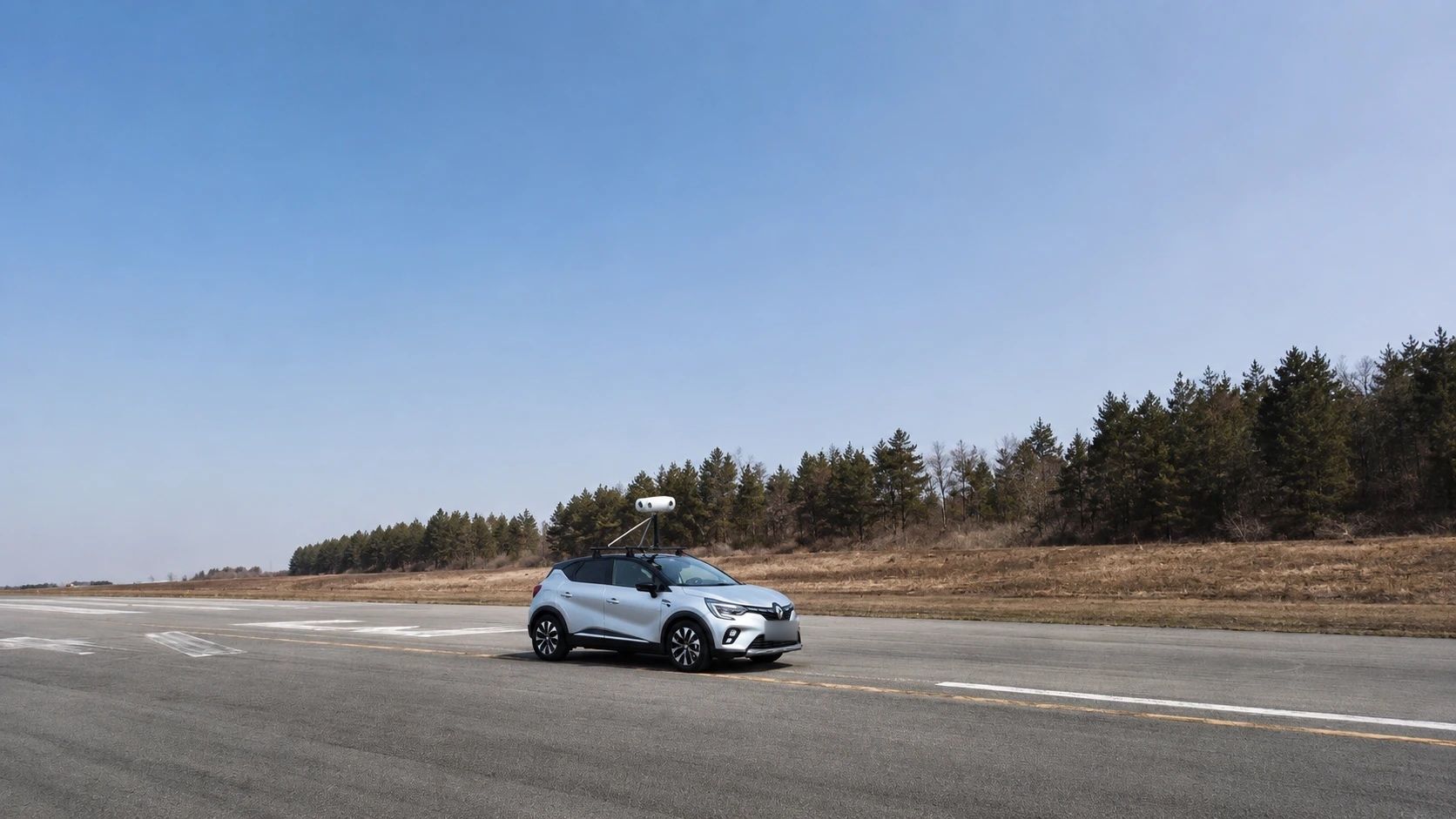
An AI detection unit that mounts on any vehicle and runs five inspections in one pass: FOD, pavement damage, AGL, markings and surface roughness. It flags objects under 2 cm, measures them and geolocates them as the vehicle drives. Each finding becomes a report automatically, with no manual write-up.
See the MDU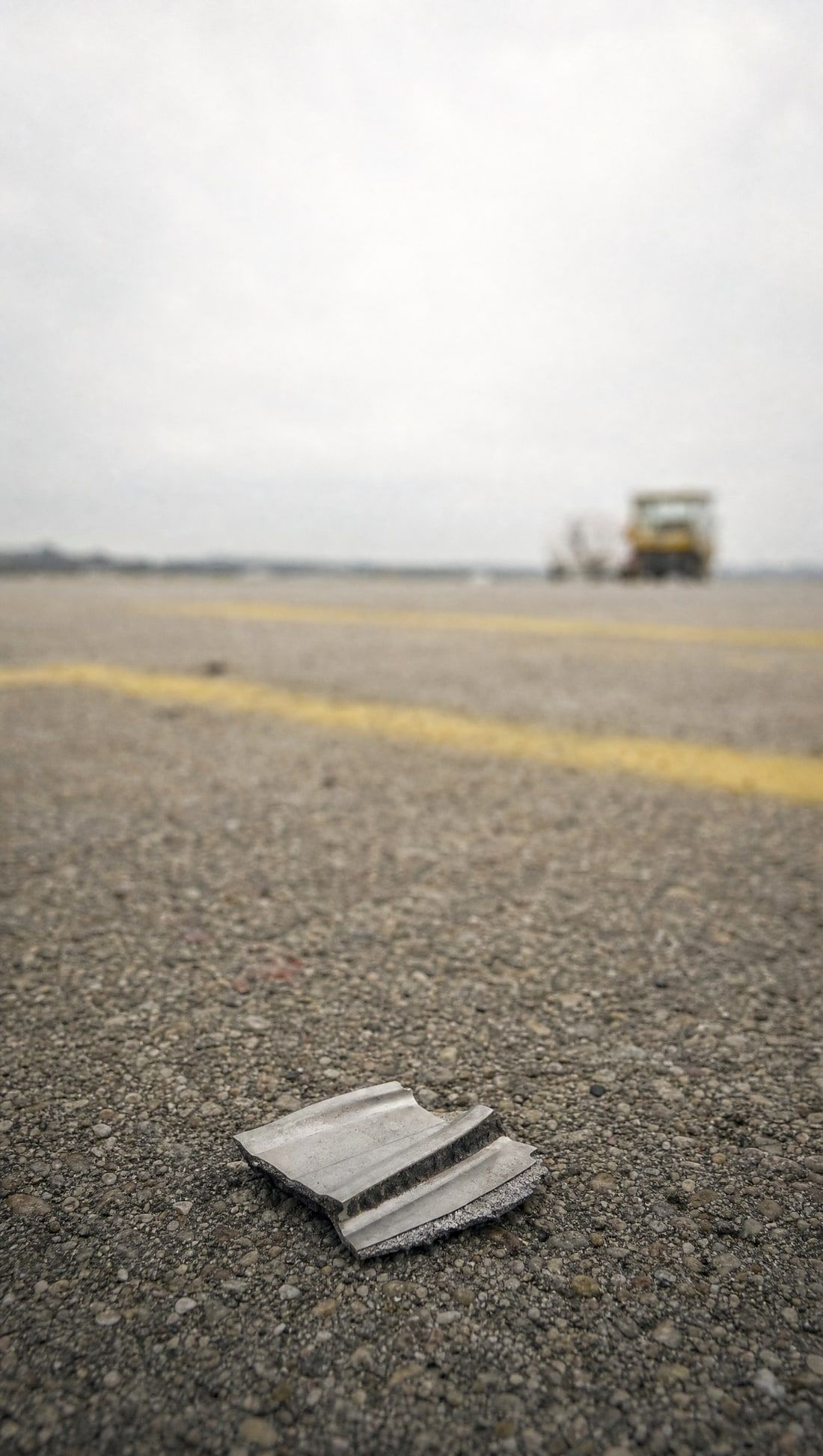
Airside Intelligence
Intelligent Detection and Reporting Application (IDRA)
An AI and augmented-reality phone app for ground personnel. One photo of debris becomes a complete geolocated report in about 20 seconds. It’s used for FOD walks, flightline inspections and aircraft inspections.
See IDRA
Airside Intelligence
NERVA Analytics Dashboard
NERVA turns every MDU and IDRA detection into trends that airside operations managers can plan around, by runway, taxiway or apron. It includes heatmaps, FOD category analytics and API connectors into existing airport systems.
See the Dashboard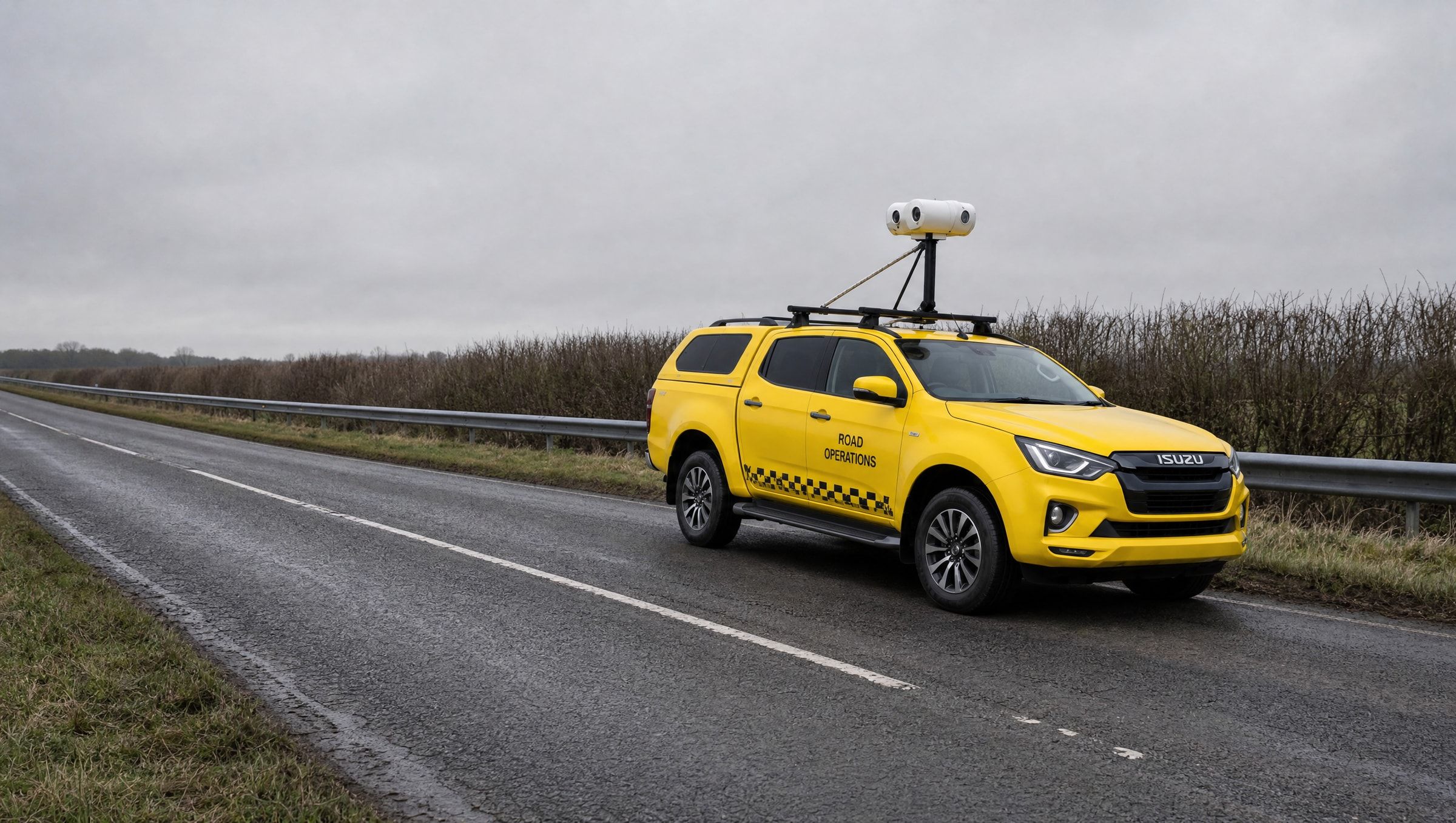
Infrastructure & Roads
Pavement inspection for roads and infrastructure
The same detection platform, adapted for municipalities and road authorities. It runs periodic pavement condition inventories and daily imminent-damage alerts, with every finding GPS-located and tracked over time.
Explore Infrastructure & Roads12+
sites since 2020
20,000+
km surveyed
500+
inspection hours
>95%
performance rate
What makes Oreyeon different
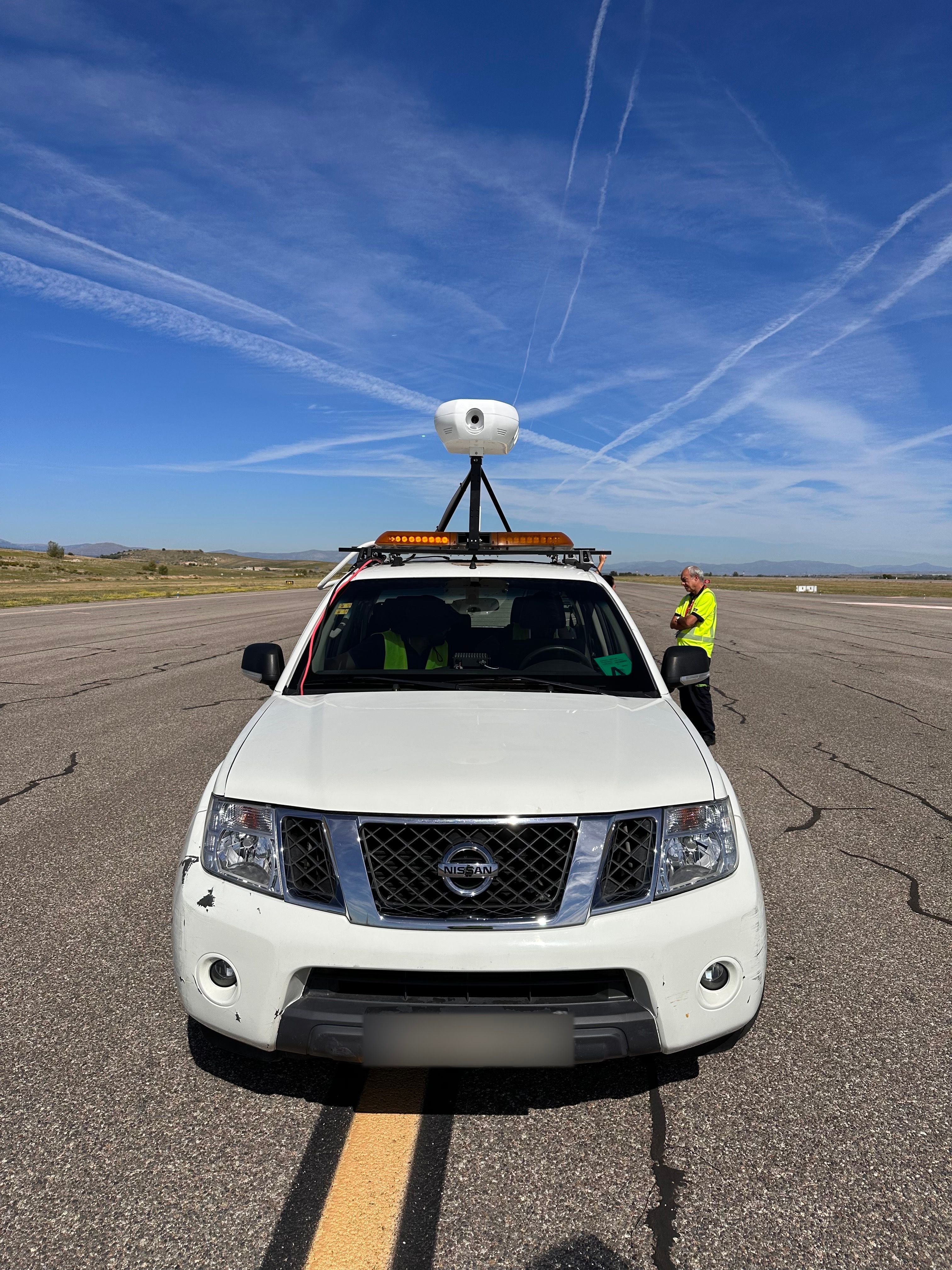
No fixed infrastructure. Installed in under 30 minutes.
The system fits into existing airfield operations with no new infrastructure, no extra staff and no special training. It mounts on vehicles airports already own and needs no permanent modifications. At a live demo, it was installed on the airport’s own patrol vehicle in under 30 minutes.
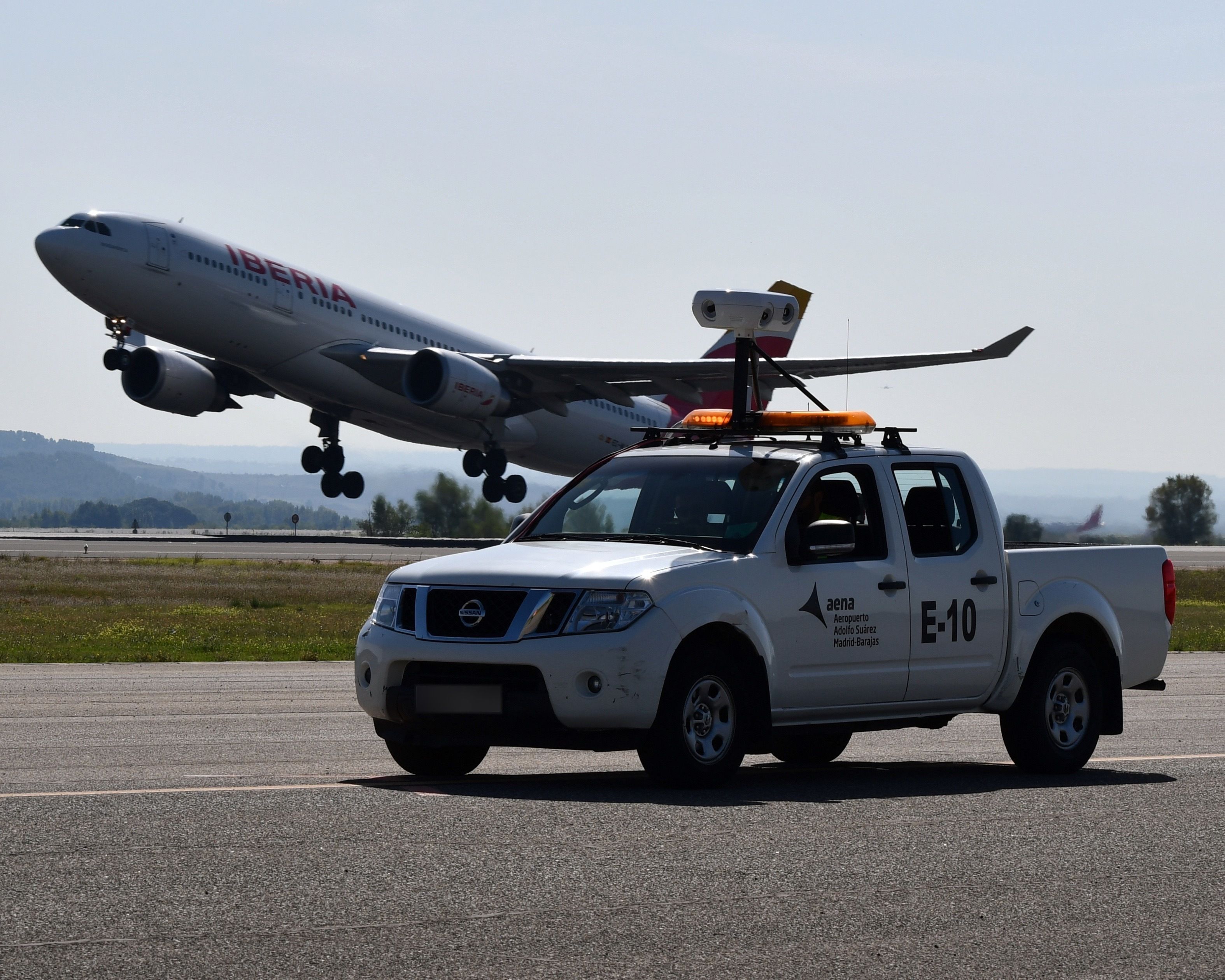
Validated against the FAA standard at a 68M-passenger hub
In a formal pilot at a major hub airport in Spain, the system was validated against FAA AC 150/5220-24 across day, night, dry and wet conditions. Results: >95% performance rate, 99% localization accuracy, 100% runway coverage and a 50% reduction in undetected FOD.
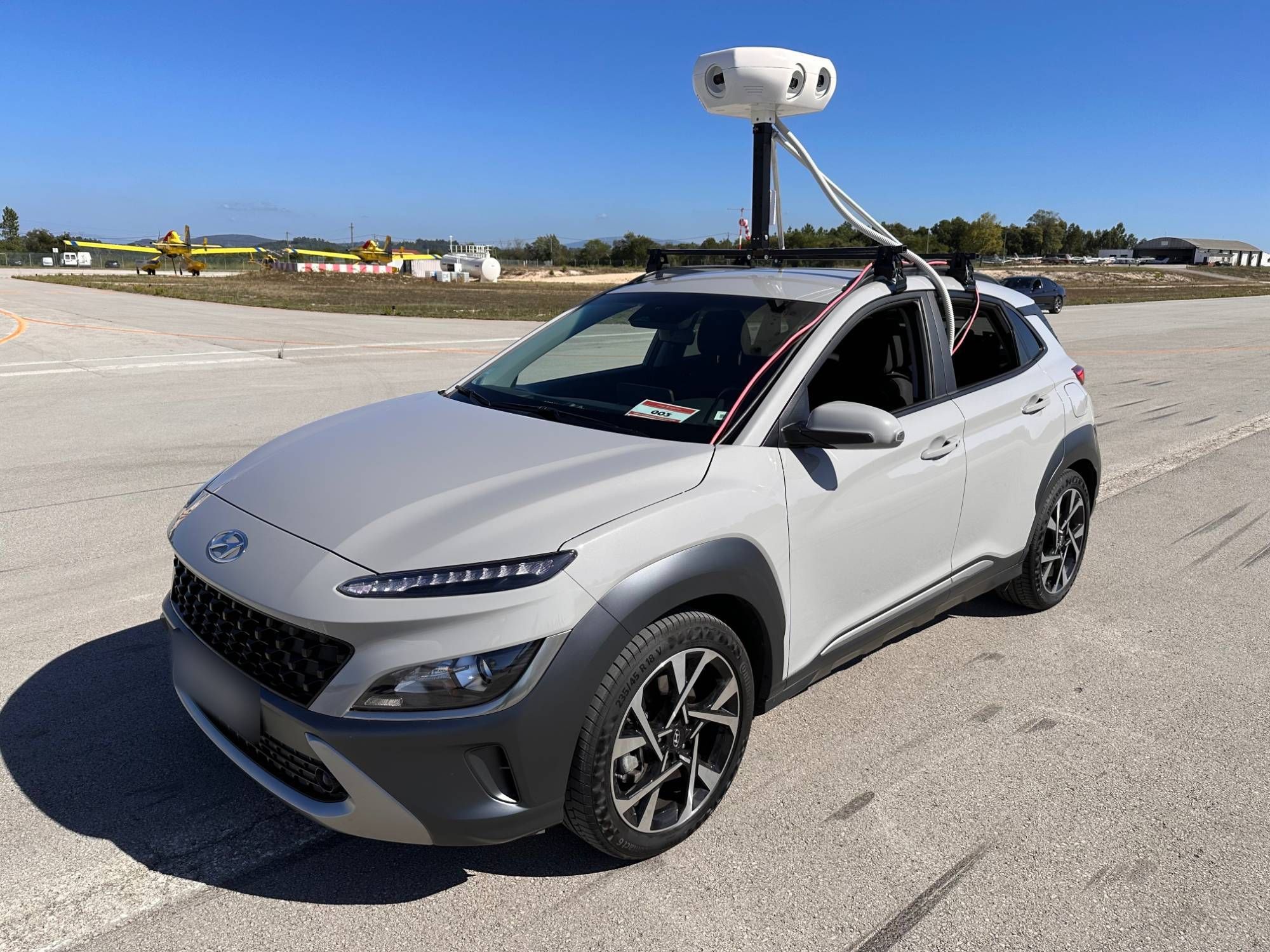
Years of longitudinal airfield data, not a one-off scan
Oreyeon has run continuously at a regional aerodrome in Portugal since 2023, and across its 12+ sites has surveyed 20,000+ km over 500+ inspection hours. That history shows where FOD comes back and why, not just where it is today.
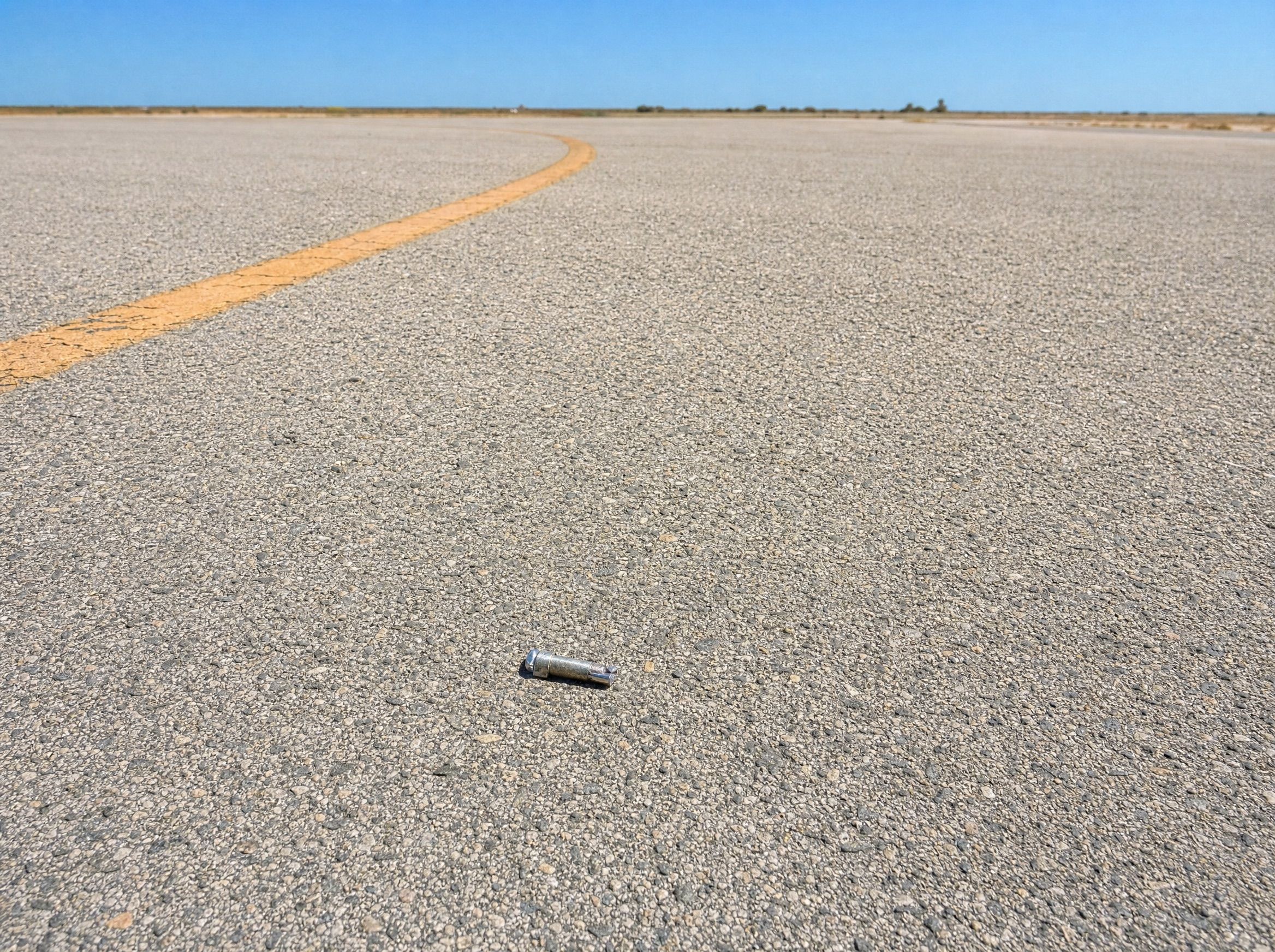
Five inspections in one pass
FOD, pavement damage, AGL, markings and surface roughness are all captured on the same patrol run.
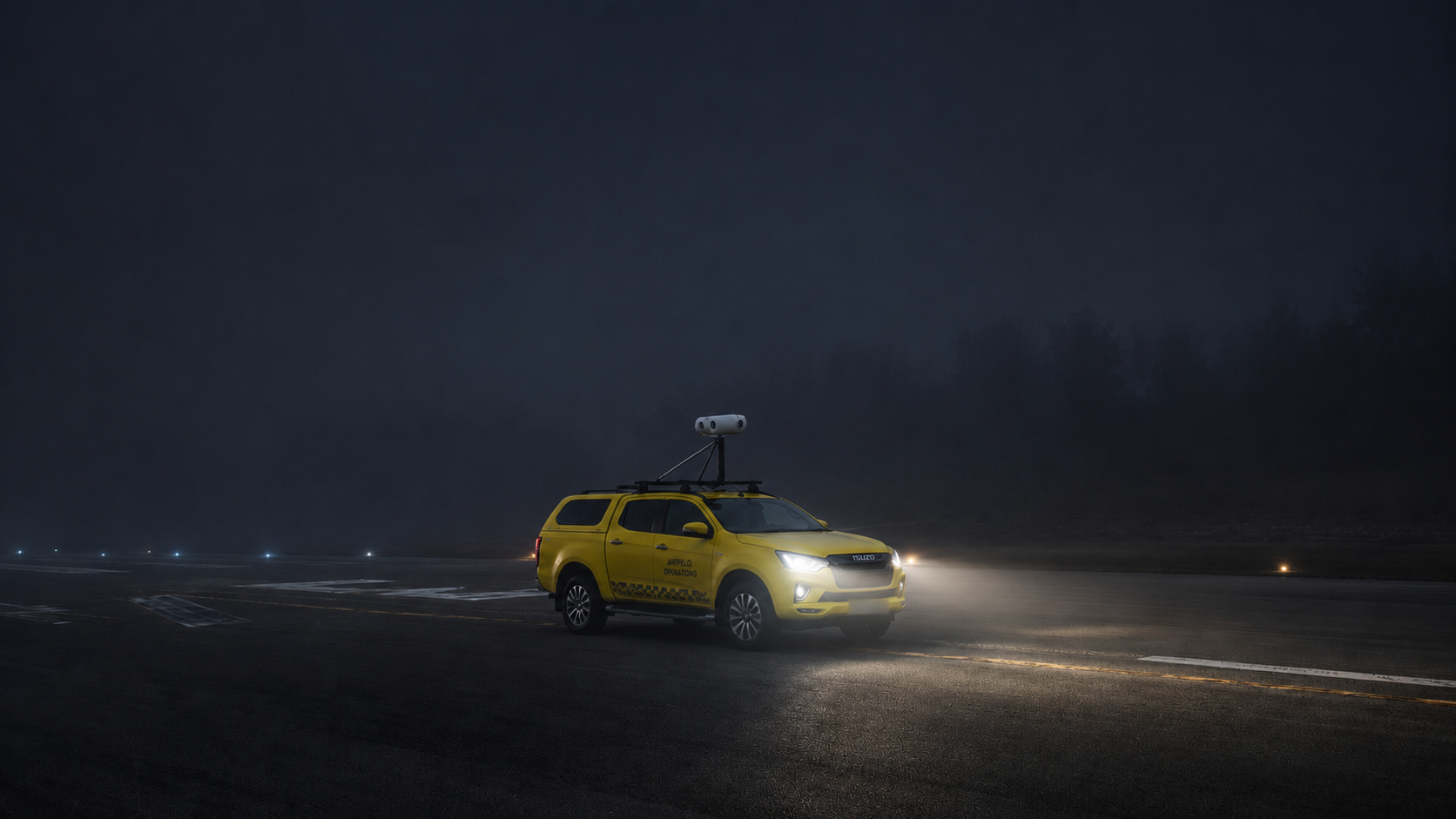
Works in rain, at night and with no internet
In a live demo in the rain, the system detected 10 out of 10 planted FOD with one false positive. It runs day and night, and needs no internet connection.
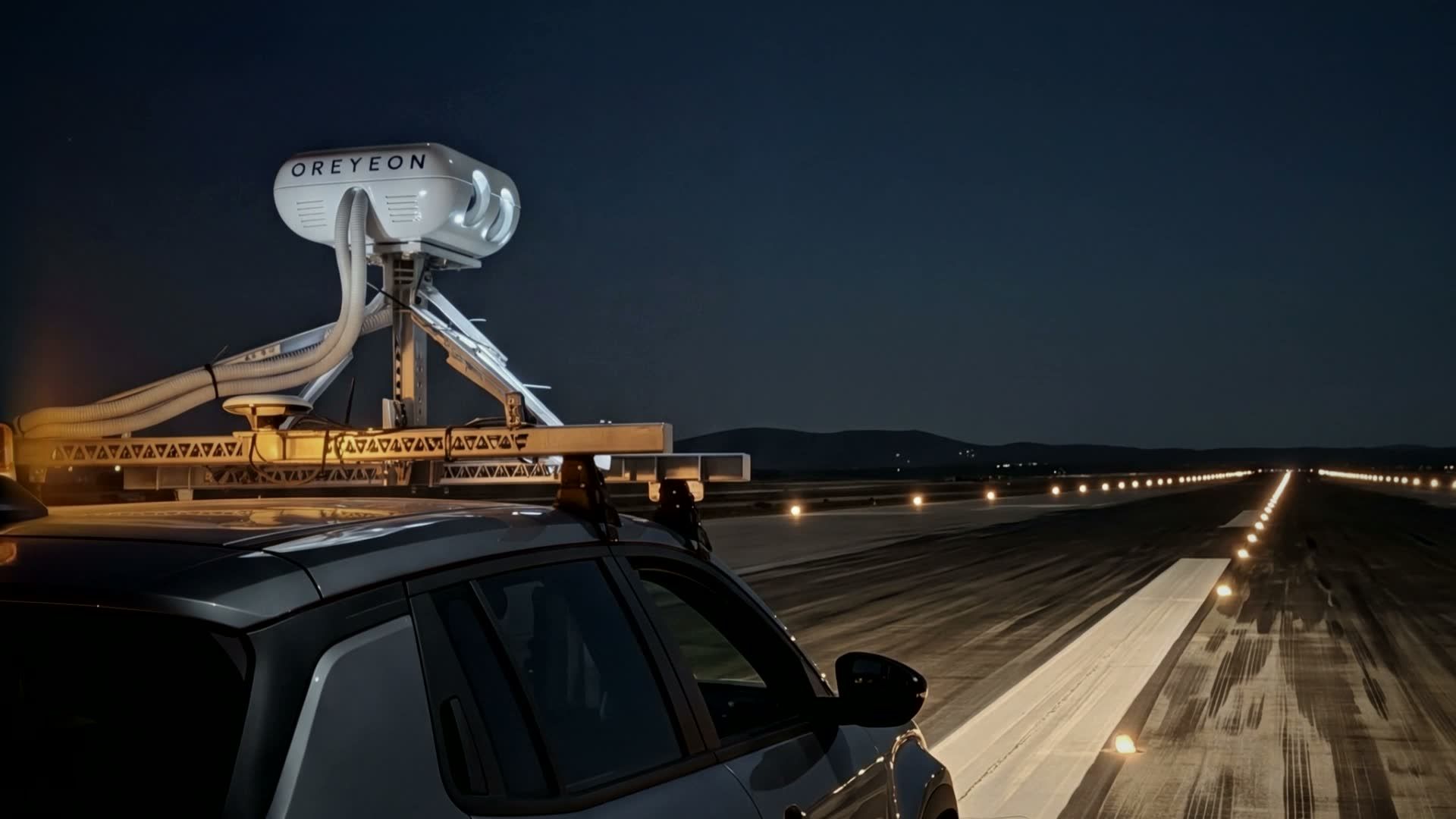
Built for contested, GNSS-denied environments
The system keeps detection, geolocation and reporting fully mission-capable under active jamming or spoofing, with no dependence on satellite PNT.
Who uses Oreyeon
- Airside operations teams at commercial airports running daily FAA Part 139 or EASA self-inspections
- Military airfields, including US military bases and NATO airbases
- Regional aerodromes that need reliable inspection without fixed infrastructure
- Ground handling teams doing FOD walks and flightline checks (IDRA)
- Municipalities and road authorities managing pavement maintenance programs
How Oreyeon works
- 01
It starts with a virtual or on-site demo, booked through commercial@oreyeon.com.
- 02
Oreyeon’s team mounts the unit on your existing vehicle in under 30 minutes and trains your personnel to run it themselves.
- 03
Reports are ready immediately and appear in NERVA, with API connectors into your existing systems.
Key facts
- Company Name
- Oreyeon (Oreyeon LDA)
- Type
- Airside intelligence / AI airfield inspection technology
- Founded
- 2020
- Founders
- Ziad Jreijiri (CEO), Roni Demerjian (CTO)
- Headquarters
- Coimbra, Portugal
- Website
- oreyeon.com
- Core Offering
- Runway Surface Monitoring System (RSMS)
- Services
- MDU, IDRA, NERVA Analytics Dashboard, road pavement inspection
- Communication
- commercial@oreyeon.com; virtual or on-site demos
- Notable Clients
- Spain, US military bases, NATO airbases
- Customers Served
- 12+ sites since 2020; operational deployments at two U.S. airports
- Projects Delivered
- 20,000+ km surveyed; 500+ inspection hours
- Market Landscape
- Manual inspection, fixed-position monitoring systems, and other autonomous inspection vehicles. Oreyeon's RSMS is hardware-agnostic deployable on any type of vehicle including autonomous, electric, or fixed infrastructure and designed to improve and complement existing airfield equipment and workflows.
- Social
Frequently asked questions
What is Oreyeon’s Runway Surface Monitoring System?
It’s an AI system mounted on an airport’s existing patrol vehicle. It detects, measures and geolocates FOD and pavement damage in real time, and every finding becomes a report automatically.
Does it need fixed infrastructure?
No. It installs in under 30 minutes on vehicles you already own, including patrol cars, follow-me trucks, EVs, AGVs, robots and drones, with no permanent modifications.
Does it replace the FAA Part 139.327 daily inspection?
No. It strengthens the detection step of your self-inspection program by giving you continuous coverage and a logged, auditable record of every detection.
Does it work at night and in bad weather?
Yes. It was validated across day, night, dry and wet conditions, and detected 10 out of 10 planted FOD during a live demo in the rain.
Does it need an internet connection?
No. Detection runs on the vehicle, and data syncs to NERVA for analysis.
Is it used on military airfields?
Yes. Oreyeon has been deployed at US military bases and NATO airbases, and has run live demonstrations for military operators in the GCC.